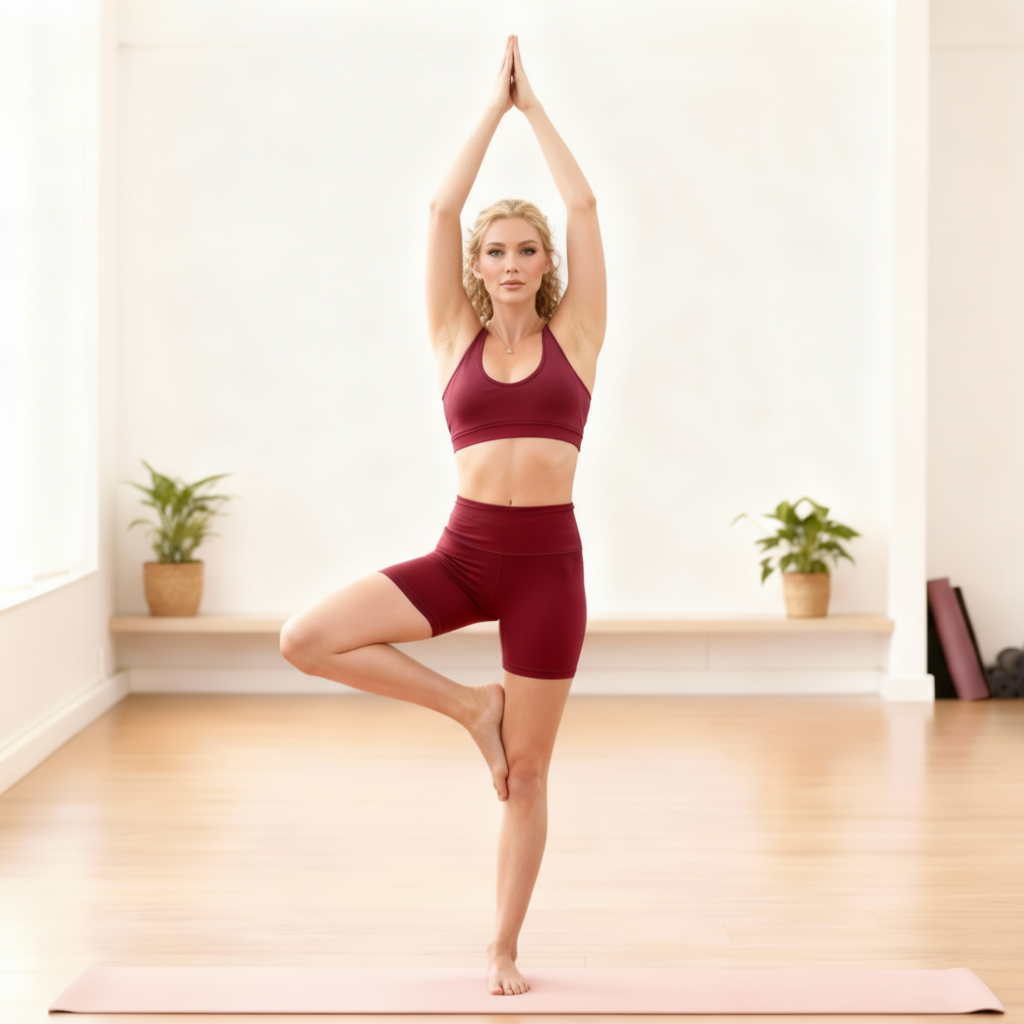
The Proper Way to Recover After Exercise: A Complete Guide for Women

The Proper Way to Recover After Exercise: A Complete Guide for Women
You’ve crushed your workout, your heart’s still pumping, and your endorphins are soaring — but what you do after training is just as important as what you do during it. Recovery is where your body rebuilds, strengthens, and grows. Without proper recovery, progress can stall, fatigue can creep in, and motivation can fade fast.
Let’s break down exactly how to recover the right way — so you can feel energised, strong, and ready to conquer your next session.
🧠 Why Recovery Matters
Exercise creates tiny tears in your muscle fibres — that’s normal and necessary for growth. Recovery is when those fibres rebuild stronger.
For women, recovery also supports:
- Hormonal balance
- Reduced inflammation and fatigue
- Improved sleep and mood
- Sustainable long-term fitness results
Without proper recovery, your performance may dip, your immune system can weaken, and your body may retain more stress hormones (like cortisol), making it harder to see results.
🕒 Step 1: Refuel Within 30–60 Minutes
Your post-workout meal or snack should focus on carbohydrates + protein.
- Carbs replenish glycogen stores (your body’s energy supply).
- Protein helps repair and build muscle tissue.
Perfect recovery meals:
- Greek yogurt with berries and a drizzle of honey
- Grilled salmon, sweet potato, and greens
- Protein smoothie with banana, milk, and oats
- Eggs on whole-grain toast with avocado
⏰ Aim for a 3:1 ratio of carbs to protein after most workouts.
💧 Step 2: Rehydrate
You lose more than just water when you sweat — electrolytes like sodium, potassium, and magnesium are also depleted.
Rehydration tips:
- Drink water gradually over the next few hours (not all at once).
- Add a pinch of salt or a splash of electrolyte mix if you’ve had an intense session.
- Coconut water can also help restore electrolytes naturally.
🧘♀️ Step 3: Cool Down and Stretch
Finishing a workout doesn’t mean dropping everything and heading straight to your car. A proper cool-down prevents muscle stiffness and helps your body transition back to rest.
Try this:
- 5–10 minutes of gentle walking or cycling
- Static stretches for your major muscle groups (hold 15–30 seconds each)
- Focus on breathing deeply to calm your nervous system
🛁 Step 4: Relax and Reduce Muscle Soreness
Muscle soreness (DOMS) is normal after challenging workouts, especially when starting a new routine.
To ease it:
- Take a warm bath or use a heat pack to relax tight muscles
- Try foam rolling or a massage gun
- Get quality sleep — your muscles repair best while you rest
💡 Bonus tip: Gentle movement, like yoga or a light walk, can actually reduce soreness by improving blood flow.
😴 Step 5: Prioritise Sleep
Sleep is your most powerful recovery tool. Aim for 7–9 hours per night. During deep sleep, your body releases growth hormones that repair muscles and balance stress hormones.
To improve sleep quality:
- Avoid screens an hour before bed
- Keep your room cool and dark
- Eat your last meal at least 1–2 hours before bedtime
Step 6: Listen to Your Body
Women’s recovery needs can vary through the menstrual cycle:
- Follicular phase (days 1–14): You may recover faster — great time for strength and endurance training.
- Luteal phase (days 15–28): Recovery may slow slightly; prioritise rest, lighter workouts, and magnesium-rich foods (leafy greens, nuts, dark chocolate).
Tuning into your body’s signals — fatigue, soreness, mood — helps you find your perfect recovery rhythm.
🌸 Final Thoughts
Recovery isn’t laziness — it’s a vital part of your fitness journey.
By refueling smart, staying hydrated, stretching, and sleeping deeply, you’ll build a body that performs better and feels amazing.
Remember: progress happens in the recovery phase, not just the workout.